Contractor website design that gets your phone ringing

A fast site that shows your real work and makes it easy to call. You own it. Forms land in one place with their source attached, and calls from your Google profile and ads are tracked.

What you can count on
  • You own it: site, domain, Google profile, ad accounts and your data.
  • Your ad money goes straight to Google. We take no cut.
  • One plain report a month: tracked calls, leads and jobs. Bad numbers included.
  • One monthly fee and your minimum term, in writing before you sign.
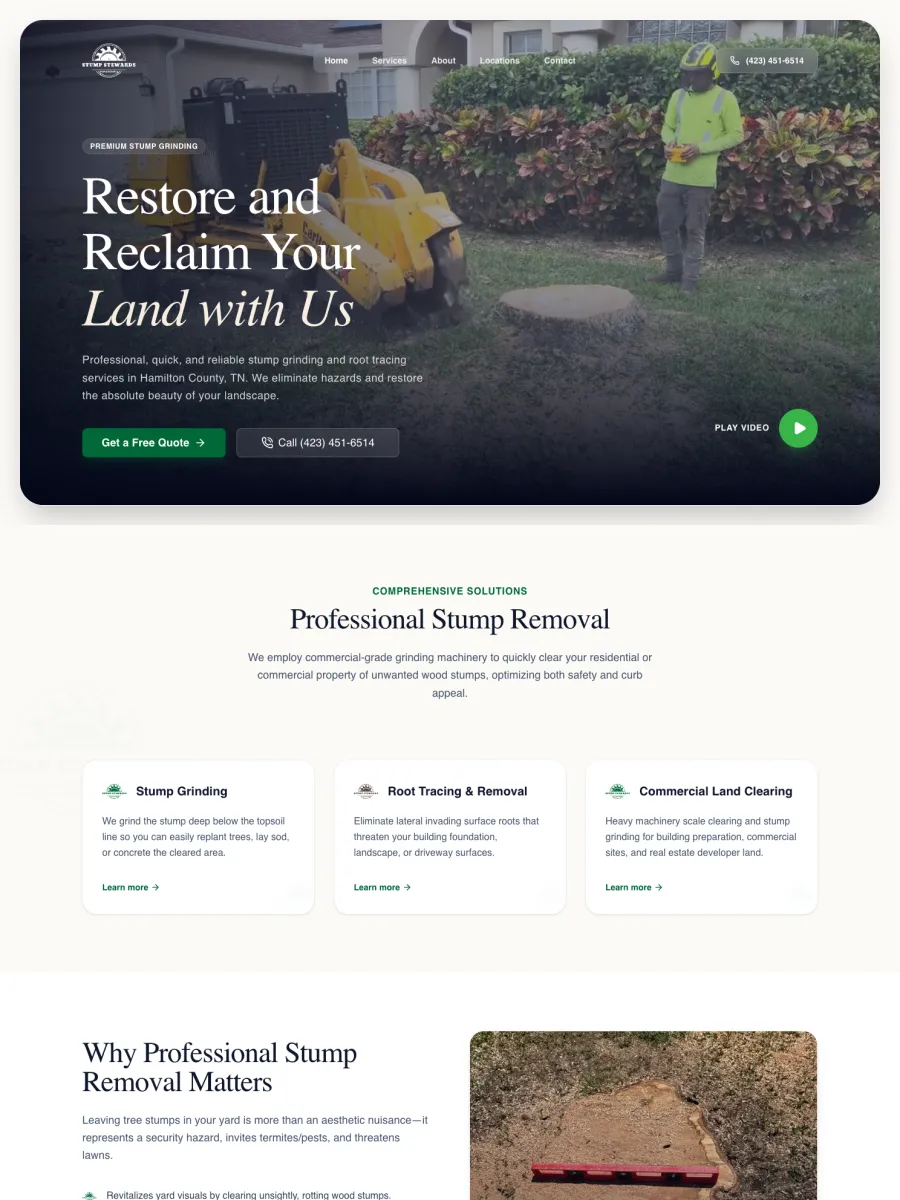
stumpstewards.com
Stump Stewards website, built by Appalachia Digital

What we do

What we build.

01

Contractor websites

A fast site that shows your real work and makes it easy to call.

Built phone-first, with your number at the top and a page for each job you want. You own it, and hosting and care are included.

  • Built phone-first
  • Your real photos
  • Click-to-call everywhere
  • Hosting included
See contractor websites →
stumpstewards.com
Stump Stewards website, built by Appalachia Digital

A contractor website has one job: when a homeowner looks you up, it shows your real work and makes it easy to call. Ours are built phone-first, load fast, use your own photos, and you own them.

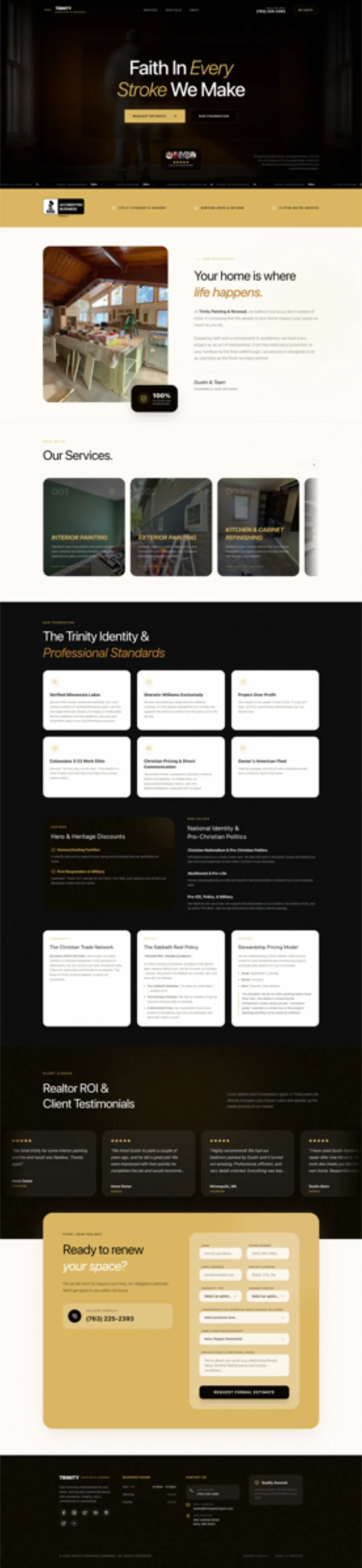
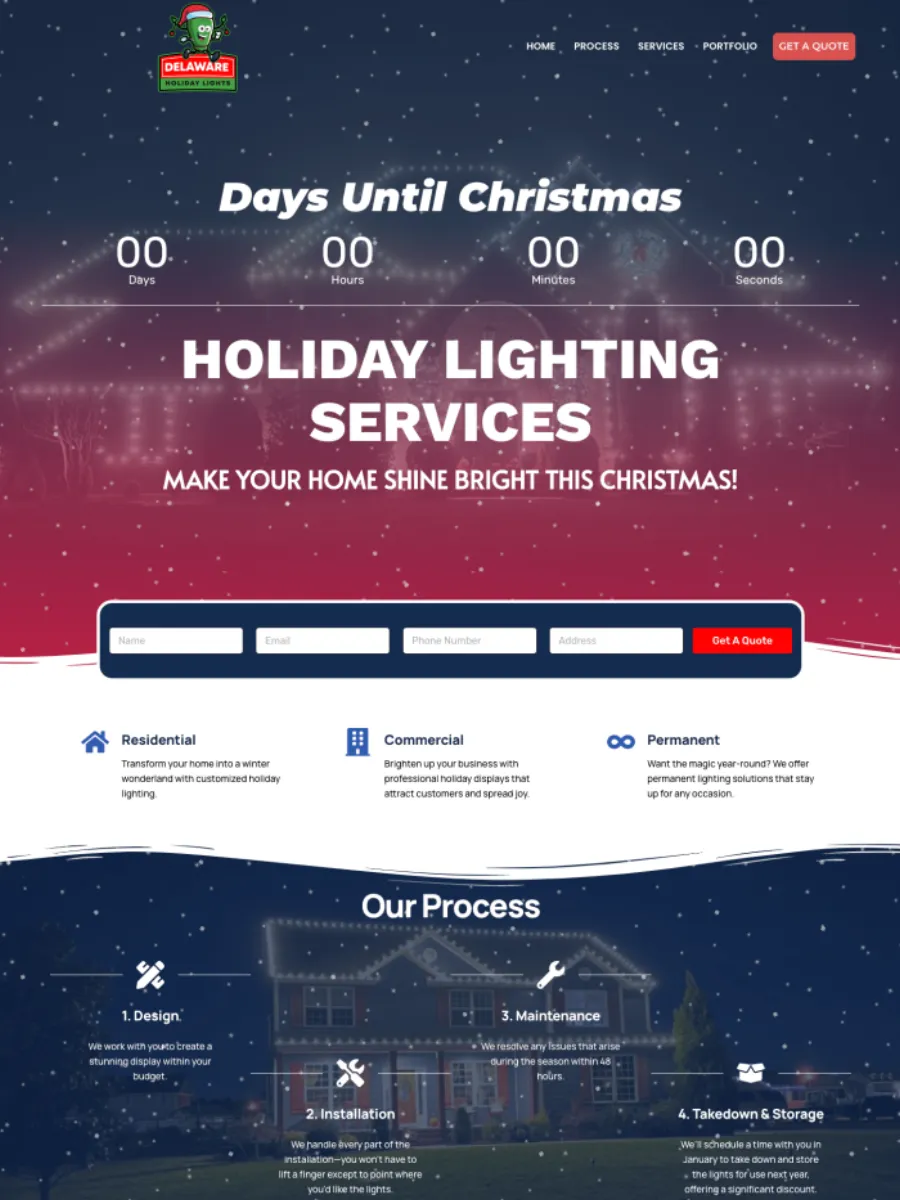
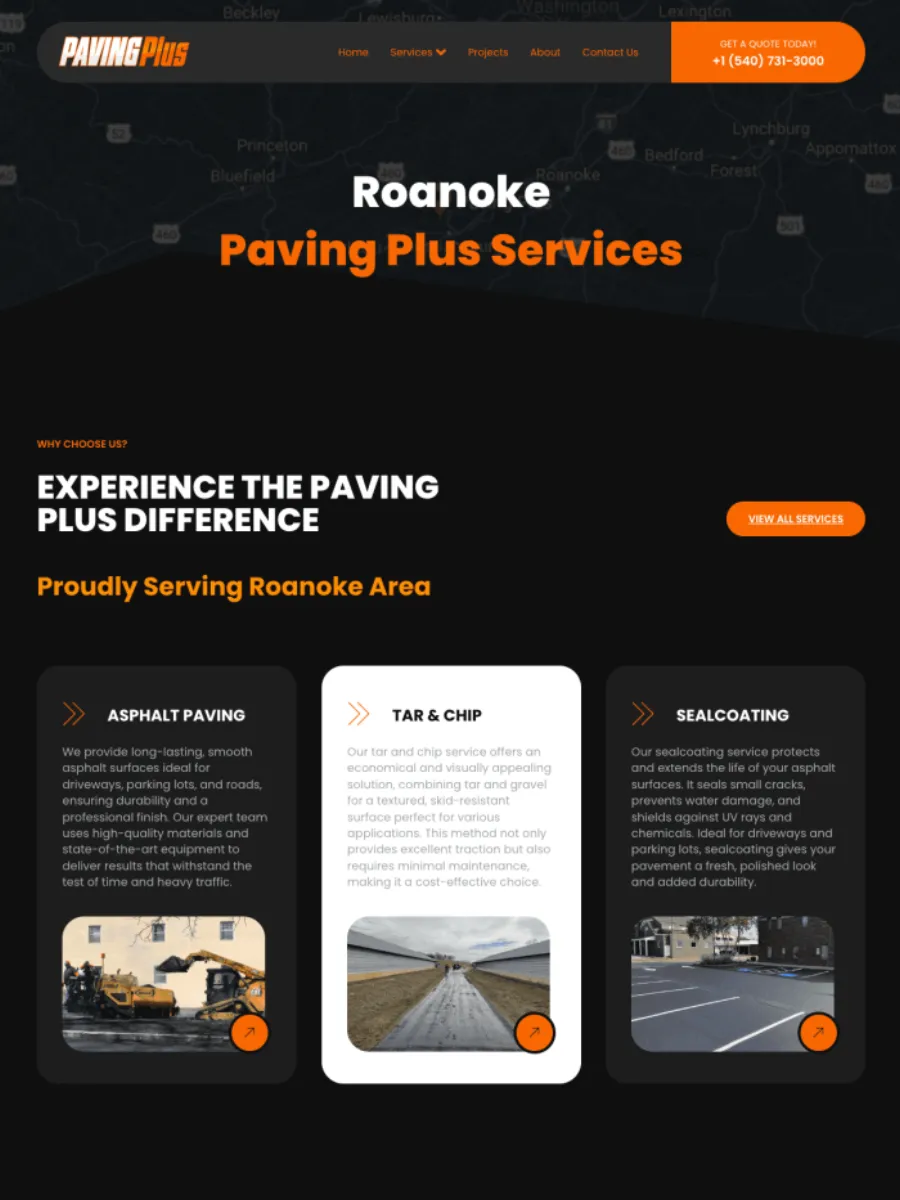
Contractor website examples we built

Four sites, built for real tradesmen. Open them and judge for yourself.

"They are a trustworthy, diligent, and talented team that I would readily refer other businesses to." Christian Humbert, Stump Stewards

Does your website do anything for you?

Most contractor websites do one job. They exist.

A template with stock photos of handshakes. A page that takes eight seconds to load on a phone. A phone number you have to hunt for. A contact form that goes to an inbox nobody checks.

Sound familiar? Then you know the rest of the story:

  • A neighbor sends you a referral, looks you up first, and decides in a few seconds whether you look like a real company.
  • A homeowner with a leak opens three sites on her phone and calls the first one that makes sense.
  • You paid an agency to build it, and you still can't say whether it has ever brought in a job.

A site that is slow, vague or hard to use on a phone sends people back to Google, and Google sends them to the next contractor on the list. You don't lose those jobs loudly. The phone just doesn't ring, and you blame the season.

Your work is better than your website says. That's the whole problem.

What a contractor website needs

Built for the phone first

Most people who find you will be on a phone, in the truck or on the couch. We design there first and check on a real phone before launch. Your number is the biggest thing on the screen, and one tap calls you.

Fast

A slow site loses the customer before the page appears. We build for a phone connection, not our office wifi.

Your real photos

Stock photos tell a customer you have nothing to show. Your crews and your finished jobs tell him you do the work. We use yours, and we tell you which ones to send. A phone camera is enough.

A page for each service and town

Customers search for "roof replacement in Forest," not "roofing." Each service gets its own page, and so does each town you want, so Google can show the right page for the right search.

Forms and calls that land somewhere

Every form lead arrives with its source attached. We track calls from your Google Business Profile and your Google Ads. A call that reaches you any other way is not tracked, and the report says so. A lead nobody answers isn't a lead, so the follow-up starts here too.

You own it

Your site, your domain, your content and your data are yours. If you leave, we hand them over, free, within 14 days.

It stays up (hosting and care are included)

Sites rot. Plugins break, forms stop sending, a page goes down on a Saturday. Hosting and care are part of every contractor website, so it stays fast, current and watched.

Pages every contractor site needs

Not every site needs fifty pages. Every site needs these.

  • Home. Who you are, what you do, where you work and a number to tap.
  • One page for each service. A roof replacement page, a repair page, a storm damage page. Customers search for the job, not the trade.
  • One page for each town. The towns you want to serve, each written for that town. Not fifty thin pages for fifty towns.
  • An about page with a real face. The owner, the crew and a line about who you are. People hire people.
  • Reviews. Real ones, from real customers, with the job described.
  • Contact. A number, a short form and your service area.

Every page carries your number, and every page answers one question for one searcher. Read more in what pages a contractor website needs.

How a website build works

  1. Talk. You book a strategy call. We look at your current site and your market. You say what jobs you want more of.
  2. See where you show up. We run your business through a map scan so the plan is built on your real position, not a guess.
  3. Build. We draft the pages. You send photos and answer a short list of questions. You approve every page before it goes live.
  4. Launch and report. The site goes live, form leads and tracked calls start to appear, and one report arrives each month in tracked calls, leads and jobs.

You don't need to learn the computer side. Your part is photos, a few answers and one call a month.

What drives the cost of a contractor website

We don't post prices, because a number that fits one shop would mislead another. Three things set the cost.

  • How many pages. Services, towns and trades each add pages.
  • What you already have. Good photos and a clear list of jobs make the build faster.
  • What the site has to do. A quote form is simple. A plan sign-up or a booking flow takes more.

You see the fee in writing before you sign. The ROI calculator shows how many extra jobs cover it.

Questions contractors ask before they hire us

What does it cost?

We don't post prices, because a roofer in a big city and a plumber in a small town need different work. Here is how it works.

You pay one monthly fee, and you see it in writing before you sign. Your ad budget is separate. It goes straight to Google, and we take no cut.

Every month you see what it brought in, in tracked calls, leads and jobs. The ROI calculator shows how many jobs it takes to cover any marketing spend, ours or anyone else's.

I already have a website. Do I need a new one?

Maybe not. If it loads fast, works on a phone and shows your real work, we say so and tell you where the money is better spent. If you do redesign, read how to redesign without losing your SEO rankings.

Will a new site get me more calls by itself?

Not by itself. A good site turns visitors into calls. Local SEO brings the visitors.

Who owns the site?

You do. You also own your domain, your Google Business Profile, your ad accounts and your data.

What if I want to leave?

Give us 30 days' notice in writing. We hand over your site, your domain, your content and your data, free, within 14 days. Your minimum term is set in your written agreement.

I got burned by an agency before.

You're probably right to be careful. Here is what we put in writing: you own the site and the data, you get a monthly report in tracked calls, leads and jobs, and the agreement says how you leave. Your word is your bond. Ours too.

I don't have time for this.

Send photos, answer a short list of questions, and take one call a month.

Do you build for my trade?

Roofing, HVAC, plumbing, electrical, pest control, landscaping, garage doors, painting, paving and concrete, remodeling and decks, tree service and foundation repair. See all trades.

Do you work outside Virginia?

Yes. We work with trades businesses in Virginia, Tennessee, Pennsylvania, Minnesota, Kentucky, Georgia, California, Connecticut, Delaware, Indiana and Michigan, and we serve clients nationwide. Most of the work happens on the phone and on video, so distance doesn't slow anything down.

Can I use a template for a contractor website?

You can, and some shops do fine with one. A template rarely has your photos, your towns or a page for each job, which is where the calls come from. We tell you on the first call if a template is enough.

What should a contractor website include?

Your number at the top, a page for each job and town, your real photos, your license and insurance, reviews and a short form. The list above has the detail.

How much does a plumbing website cost?

It depends on pages, towns and what you have today. You see the fee in writing before you sign. See plumber SEO for what a plumbing site includes.
Let's build the site your work deserves

You open the report on the first of the month and see it: tracked calls from the search that started the job, forms that came in at night, and the estimates that turned into work. You stop wondering. You can see it.

Our terms, in plain English

How we work.

This is the part most agencies bury in the fine print.

You own everything.

Your site, domain, Google profile, ad accounts and data are yours from day one. If you leave, we hand it all over, free, within 14 days.

No markup on ads.

You pay Google directly, in an account you own. We take no cut of your ad budget.

One plain report.

Once a month: tracked calls, leads and jobs, in plain English. If a number is bad, the report says so.

Leaving is clear.

Give 30 days' notice in writing. We hand over everything you own, free, within 14 days. Your minimum term is set in your written agreement.

Read the full terms

Let's make your
phone ring.

What you can count on
  • You own it: site, domain, Google profile, ad accounts and your data.
  • Your ad money goes straight to Google. We take no cut.
  • One plain report a month: tracked calls, leads and jobs. Bad numbers included.
  • One monthly fee and your minimum term, in writing before you sign.
Book a strategy call

(434) 352-1235 / Forest, Virginia

CallBook a call